
News Summary
A significant announcement from President Trump has Texas importers on edge as a new 30% tariff on Mexican and EU imports is set to begin. This change threatens the state’s booming economy, which contributed $850 billion to the U.S. last year. Analysts warn of potential job losses and impacts on small businesses that constitute 92% of Texas exporters. The looming tariff implications could create a ripple effect, affecting various economic sectors and trade partnerships. As negotiations continue, Texas faces an uncertain economic future.
Texas is bracing for significant impacts as President Trump announced a new 30% tariff on imports from both Mexico and the European Union (EU), scheduled to take effect on August 1. This move represents a stark shift in trade dynamics for Texas, which has largely dodged the severe consequences of tariffs up to this point.
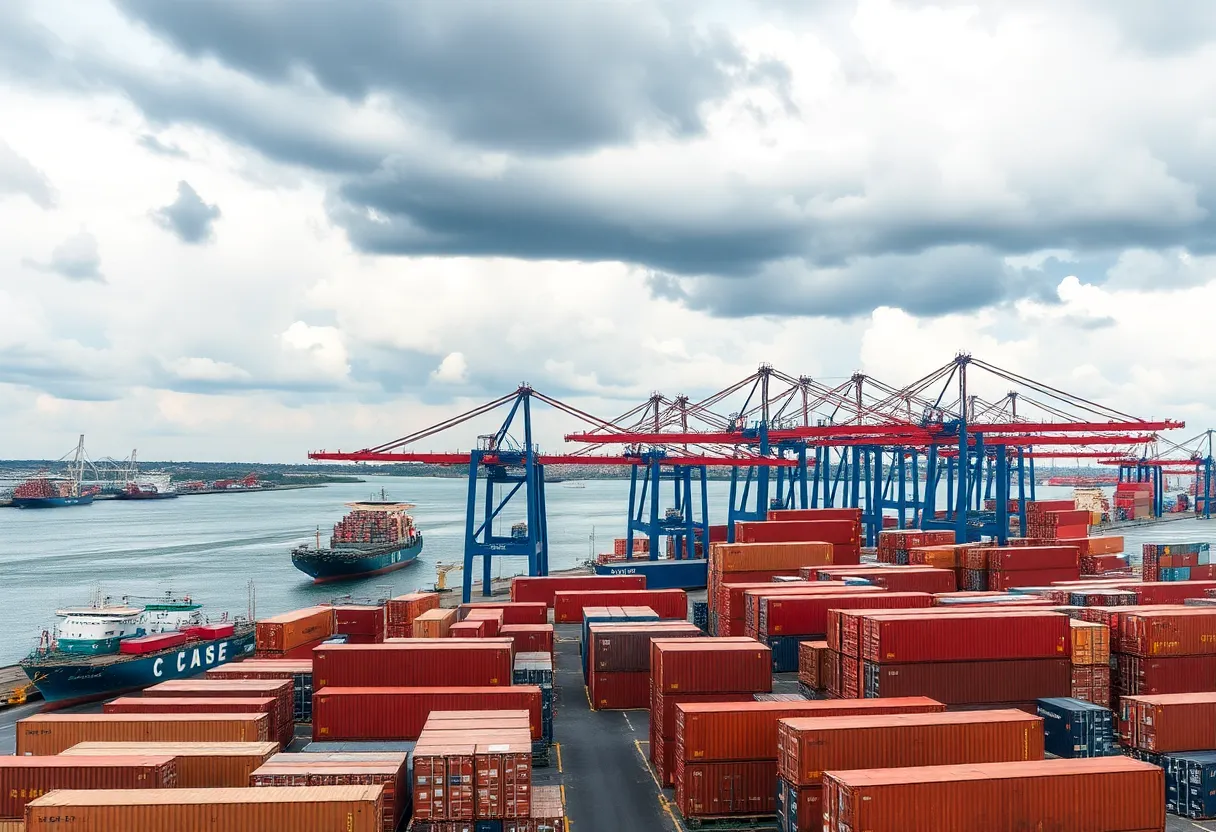
Mexico stands as Texas’ largest trading partner, with around 85% to 90% of goods previously exempt from tariffs. However, the newly imposed tariffs are now expected to affect a wide range of products, straining Texas businesses that rely on Mexican imports. In addition to this, all 27 EU member states will experience similar tariffs, elevating concerns among Texas importers and exporters who depend on these international relationships.
Texas has already been impacted by a series of tariffs during Trump’s administration, with estimates indicating that the tariffs introduced in the first five months could cost Texas businesses approximately $6 billion. The Federal Reserve Bank of Dallas highlights that trade contributed around $850 billion to the state’s economy in 2024, illustrating the importance of international commerce to Texas’ overall economic health.
Job Losses and Economic Forecasts
Research indicates that the ongoing escalation of the trade war could lead to a 1.5% reduction in Texas’ gross domestic product (GDP), with projections suggesting that up to 100,000 jobs could be at risk as a result of declining economic activity spurred by these tariffs. The state witnessed a substantial 165% spike in tariffs paid by importers in March, totaling $1.5 billion compared to the same month a year prior.
Specific Industry Impacts
Particular sectors, such as copper, could face even greater challenges. New tariffs on copper and related products may cost Texas around $693 million, a burden that could disproportionately affect smaller businesses, given that over 92% of Texas exporters are classified as small enterprises. These businesses are likely to bear the brunt of the additional costs associated with increased tariffs.
The trade relationship between the EU and Texas is also noteworthy, with the EU investing over $300 billion in Texas, sustaining approximately 300,000 jobs. The significant flow of trade highlights Texas’ critical role in the transatlantic market, amplifying concerns about what further tariffs might mean for both job security and economic stability.
Broader Trade Concerns
Texas’ economy, given its dependency on trade, is also vulnerable to potential repercussions from a full-scale trade war with China. This situation could particularly affect liquefied natural gas (LNG) exports, with potential Chinese retaliation manifesting as high tariffs—up to 125%—on Texas LNG. Such developments could severely undermine profitability for state natural gas producers.
Moreover, analysts anticipate that a global trade conflict could diminish oil demand by as much as 2.5 million barrels per day, leading to decreased crude oil prices. Notably, drilling permit applications in Texas have already fallen by 20% since Trump’s inauguration, dropping to a four-year low.
Future of Trade Relations
As trade negotiations between the U.S. and China remain ongoing, the evolving situation could substantially reshape the landscape for Texas businesses and exporters. Industry representatives underscore the necessity for tariff-free trade relationships, especially with partners like Mexico and Canada, in order to maintain a competitive edge in the global market.
The call for clarity and stabilization in trade relations is echoed throughout the business community in Texas, where the diversified economy is seen as a potential buffer against the inflating pressures of international trade disputes. Business leaders advocate for proactive measures to secure favorable trade agreements that protect the interests of Texas’ workforce and bolster economic growth.
Deeper Dive: News & Info About This Topic
- Wall Street Journal: Luxury Titan Bernard Arnault
- Google Search: Texas Economy Trade War
- Fox Business: Trump’s Tariffs Rattling Lone Star State
- Encyclopedia Britannica: Trade War
- NBC News: Trump Tariff Threats US Storms Texas
- Google Scholar: Texas Trade Tariffs


Author: STAFF HERE COLLEGE WRITER
The COLLEGE STATION STAFF WRITER represents the experienced team at HERECollegeStation.com, your go-to source for actionable local news and information in College Station, Brazos County, and beyond. Specializing in "news you can use," we cover essential topics like product reviews for personal and business needs, local business directories, politics, real estate trends, neighborhood insights, and state news affecting the area—with deep expertise drawn from years of dedicated reporting and strong community input, including local press releases and business updates. We deliver top reporting on high-value events such as the Brazos Valley Fair & Rodeo, Chilifest, and Aggie Muster. Our coverage extends to key organizations like the Bryan-College Station Chamber of Commerce and United Way of the Brazos Valley, plus leading businesses in education, biotechnology, and retail that power the local economy such as Texas A&M University, Fujifilm Diosynth Biotechnologies, and H-E-B. As part of the broader HERE network, including HEREAustinTX.com, HEREDallas.com, HEREHouston.com, and HERESanAntonio.com, we provide comprehensive, credible insights into Texas's dynamic landscape.