
News Summary
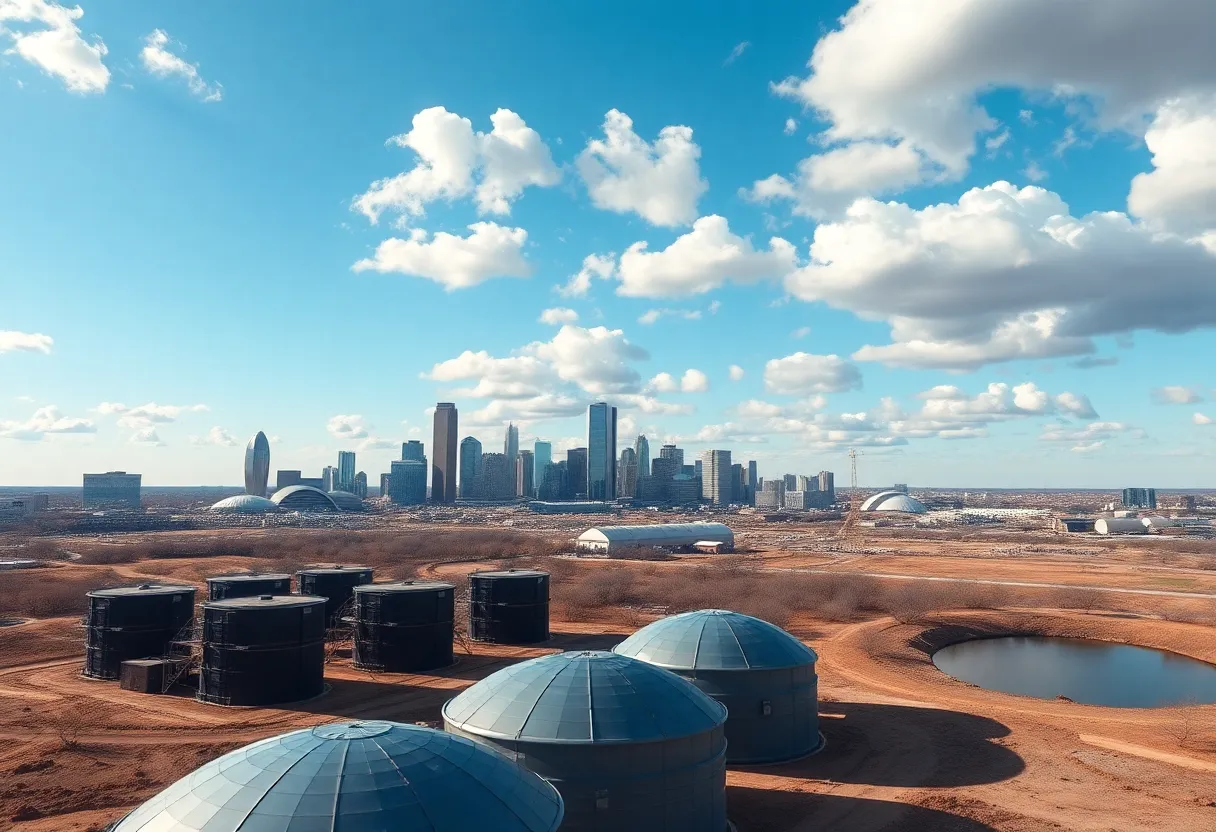
As Texas experiences significant population growth and an increase in data centers, concerns over water scarcity have emerged. The state’s water supply is under strain due to overuse and aging infrastructure, raising questions about sustainability for both residents and the booming AI sector. Recent legislative efforts aim to address these challenges, emphasizing conservation and the need for innovative solutions to secure Texas’s water future. With projections indicating a dramatic increase in water demand, Texas must navigate this delicate balance of growth and resources to ensure long-term sustainability.
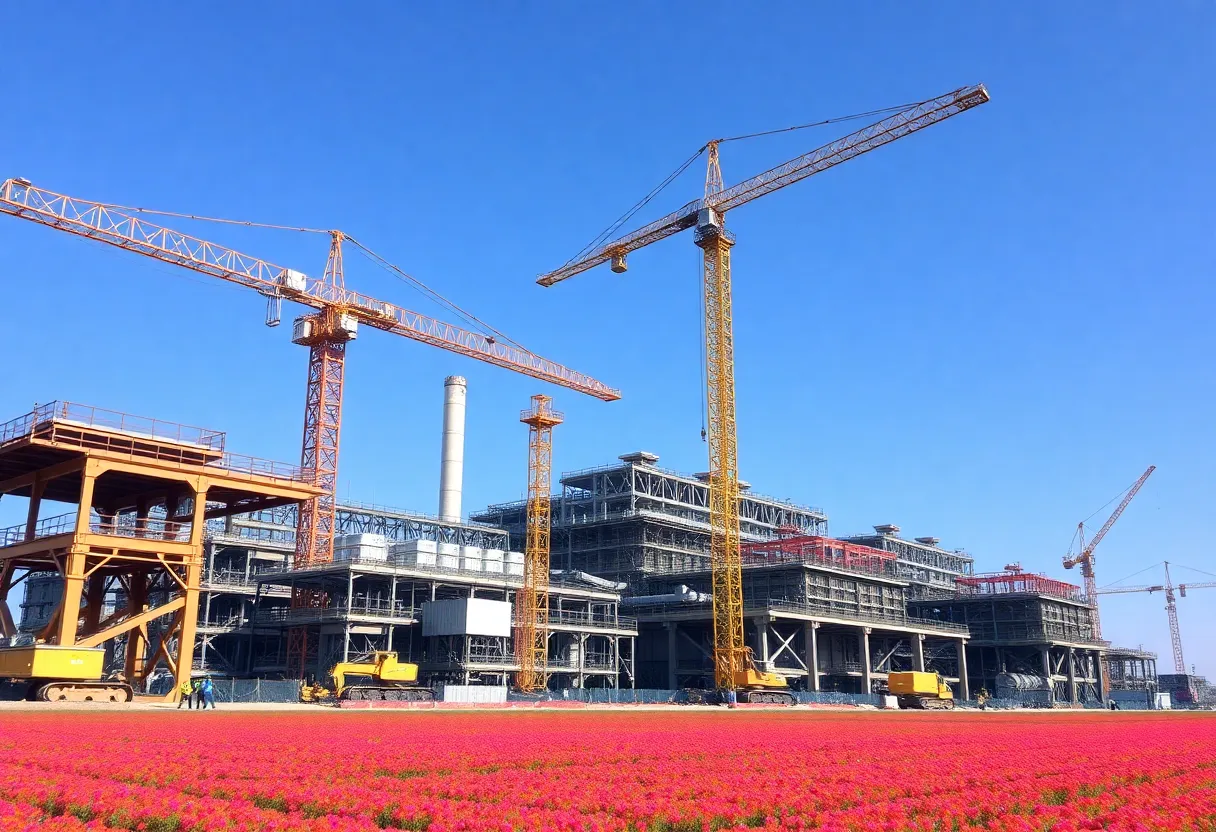
Texas is grappling with significant water scarcity challenges as its economy continues to expand rapidly, particularly with the emergence of energy-intensive data centers driven by the artificial intelligence (AI) boom. The increasing demand for water from new residents and industries is putting considerable pressure on the state’s already dwindling water supplies.
The surge in population and the growth of the data center sector in North Texas have raised alarms about the reliability of the energy grid, which is essential for economic stability. As the Lone Star State adds more than 1,500 new residents daily, the demand for utilities—including water for both domestic use and power generation—is on the rise. Companies involved in regional economic planning, including Bow River’s vice chairman, have signified that the reliability of the Texas energy grid is a major concern, posing a risk to future growth.
Water resources in Texas face severe challenges due to overuse, ongoing heatwaves, and an aging infrastructure. Many experts warn that these issues lead to water supplies depleting faster than they can be replenished. The Texas government plans significant financial investment, allocating at least $1 billion annually from 2027 to 2047 to tackle these water supply problems. However, there remain doubts about whether this funding will satisfactorily accommodate the skyrocketing demands from the booming data center industry, where the need for water is substantial.
Edward Crawford, CEO of Coltala Holdings, highlighted the competition for water resources between an expanding population, projected to grow from 30 million to nearly 50 million by 2050, and the requirements of newly established data centers. These plans for future infrastructure, like the ambitious $7 billion Marvin Nichols Reservoir project, showcase the political and logistical hurdles faced when attempting to build new water supplies.
Legislators in Texas are recognizing the urgency of the situation. A recent constitutional amendment aims to redirect funds toward the Texas Water Fund, ensuring that half of the resources are earmarked for the development of new water supplies and the other half for improving existing infrastructure, although this amendment is still subject to voter approval.
Despite the state’s lakes currently being at full capacity, experts caution that long-term planning is essential due to the inevitable likelihood of severe droughts that have affected the region in the past. A survey revealed that a staggering 85% of Texas voters express concern over potential future water shortages and advocate for long-term investment strategies in water management.
Looking ahead, municipal water demands are projected to surpass agricultural needs by 2060, with a staggering 120% increase anticipated in total water requirements over the next five decades. Water agencies, like Dallas Water Utilities and the North Texas Municipal Water District, are under pressure to find cost-effective methods to provide for an expanding customer base while maintaining low prices.
To combat these challenges, there is a growing emphasis on water conservation initiatives. Agencies are deploying technology for timely leak detection and installing high-efficiency fixtures to reduce consumption. Additionally, the Texas Water Development Board is scheduled to release an updated State Water Plan in 2027, focusing on regional challenges and ongoing assessments of future demands.
Looking further into the future, planners for Region C predict a significant reliance on conservation efforts and the reuse of water sources to adequately meet the increasing supply needs by 2080. In response to the urgent water concerns, many data centers are also exploring innovative solutions to decrease their water usage, such as adjusting workloads to cooler hours and implementing harvesting systems for rainwater.
The intersection of Texas’s rapid growth and expanding AI sector emphasizes the critical need for immediate focus on water management and energy resource sustainability in the face of persisting challenges. As water scarcity looms, the path forward hinges on strategic investments, coordinated planning, and community engagement to secure a stable resource future for the diverse needs of the state’s population and industries.
Deeper Dive: News & Info About This Topic
- Dallas News: Texas Water Crisis
- Wikipedia: Water Scarcity
- Daily Sentinel: Water Law and Rights in Texas
- Google Search: Texas Water Issues
- CBS Austin: AI Boom and Texas Water Resources
- Google Scholar: Texas Water Infrastructure
- Jackson Walker: Produced Water Ownership
- Encyclopedia Britannica: Water Management
- Dallas News: Water Woes and Texas Economy


Author: STAFF HERE COLLEGE WRITER
The COLLEGE STATION STAFF WRITER represents the experienced team at HERECollegeStation.com, your go-to source for actionable local news and information in College Station, Brazos County, and beyond. Specializing in "news you can use," we cover essential topics like product reviews for personal and business needs, local business directories, politics, real estate trends, neighborhood insights, and state news affecting the area—with deep expertise drawn from years of dedicated reporting and strong community input, including local press releases and business updates. We deliver top reporting on high-value events such as the Brazos Valley Fair & Rodeo, Chilifest, and Aggie Muster. Our coverage extends to key organizations like the Bryan-College Station Chamber of Commerce and United Way of the Brazos Valley, plus leading businesses in education, biotechnology, and retail that power the local economy such as Texas A&M University, Fujifilm Diosynth Biotechnologies, and H-E-B. As part of the broader HERE network, including HEREAustinTX.com, HEREDallas.com, HEREHouston.com, and HERESanAntonio.com, we provide comprehensive, credible insights into Texas's dynamic landscape.