

News Summary
Governor Greg Abbott has announced significant changes to Texas hemp regulations through an executive order aimed at controlling hemp-derived THC products. The order includes age restrictions prohibiting sales to individuals under 21 and mandates state agencies to review current regulations. While the industry expresses cautious optimism about these changes, concerns persist regarding the potential impact on hemp flower sales and economic consequences for businesses. The move reflects broader national conversations about cannabis regulation and public safety.
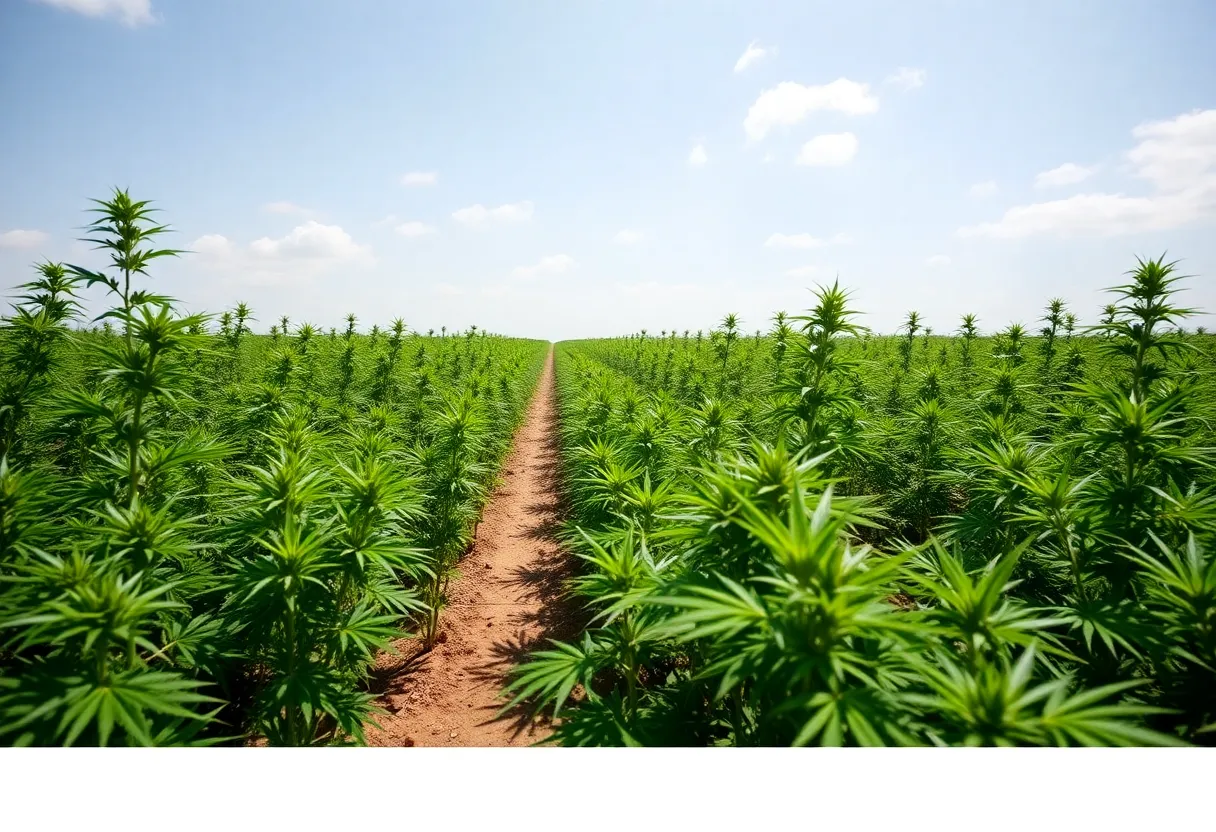
AUSTIN, TEXAS – In a decisive move amid legislative stagnation, Texas Governor Greg Abbott has issued an executive order aimed at regulating the sale of hemp-derived THC products. The order, announced on September 10, follows the Texas Legislature’s failure to pass any laws governing consumable hemp products despite regular and two special session attempts.
The executive order introduces significant measures, including a prohibition on the sale of hemp products to individuals under the age of 21. To enforce this, retailers will be required to check for government-issued identification from customers purchasing these products.
Governor Abbott’s dissatisfaction with legislative inaction has prompted this executive action. The order instructs state agencies, specifically the Department of State Health Services (DSHS) and the Texas Alcoholic Beverage Commission (TABC), to review and revise current regulations regarding hemp products. This review comes in response to concerns over the absence of specific THC regulations following the vetoing of several related bills earlier in the year.
While Texas’s Senate Bill 2024 was enacted to ban hemp-derived cannabinoids in vaping products, it did not address broader regulatory concerns surrounding THC, leaving ambiguity for consumers and businesses alike. As part of the executive order, both Abbott and state officials are seeking to partner with Texas A&M University’s AgriLife Extension to conduct an extensive study on effective regulations and enforcement mechanisms for hemp products.
Industry stakeholders, such as advocates within the cannabis sector, display cautious optimism regarding the measures contained in the executive order, particularly the age limit on product sales. However, there are concerns about the potential ramifications of Section 2A of the order, which could mandate testing for total THC levels, inclusive of THCA. This requirement may jeopardize the availability of hemp flower products, which are economically significant for many retailers in Texas.
Critics of Abbott’s order, including Lieutenant Governor Dan Patrick, have voiced strong opposition. Patrick argues that the executive order inadvertently legitimizes the existing THC market without sufficient regulatory oversight. He contends that the hemp industry has sold potentially dangerous THC products to minors, despite claims from businesses about diligent ID checks being in place.
The division among Texas leadership regarding the most suitable framework for hemp and THC regulation is highlighted by this ongoing debate. State agencies are now on a tight deadline, with September 24 set as the date for beginning rule-making in accordance with the executive order. The TABC has scheduled a meeting on September 23 to discuss new emergency rules that would enforce the ban on sales of hemp products to minors.
While some members of the cannabis industry welcome Abbott’s executive order and the proposed improvements, there is a legitimate concern that poorly defined regulations could steer consumers to unregulated markets. The conversation surrounding hemp-derived products and their regulation in Texas mirrors national discussions about the balance between public safety and consumer access to cannabis products.
The outcome of these regulatory changes could determine the future of the hemp market in Texas, which plays a crucial role in the state’s economy, especially for businesses involved in hemp flower sales. Retailers are bracing themselves for the potential impact of stricter regulations, which could put their operations at risk if consumer access to these products is further restricted.
As the state navigates these complex issues, the eyes of Texas lawmakers and the business community remain fixed on the developments stemming from Abbott’s executive order, with hopes for clarity and a viable regulatory framework for hemp-derived THC products.
Deeper Dive: News & Info About This Topic


Author: STAFF HERE COLLEGE WRITER
The COLLEGE STATION STAFF WRITER represents the experienced team at HERECollegeStation.com, your go-to source for actionable local news and information in College Station, Brazos County, and beyond. Specializing in "news you can use," we cover essential topics like product reviews for personal and business needs, local business directories, politics, real estate trends, neighborhood insights, and state news affecting the area—with deep expertise drawn from years of dedicated reporting and strong community input, including local press releases and business updates. We deliver top reporting on high-value events such as the Brazos Valley Fair & Rodeo, Chilifest, and Aggie Muster. Our coverage extends to key organizations like the Bryan-College Station Chamber of Commerce and United Way of the Brazos Valley, plus leading businesses in education, biotechnology, and retail that power the local economy such as Texas A&M University, Fujifilm Diosynth Biotechnologies, and H-E-B. As part of the broader HERE network, including HEREAustinTX.com, HEREDallas.com, HEREHouston.com, and HERESanAntonio.com, we provide comprehensive, credible insights into Texas's dynamic landscape.