
News Summary
The Dallas-Fort Worth area continues to thrive economically due to favorable geography, infrastructure, and supportive policies, fostering optimism for future growth. Key companies such as Texas Instruments and American Airlines boost local employment. However, community concerns regarding inflation and labor shortages persist, necessitating discussions on immigration policies and workforce solutions. Despite challenges, DFW maintains a strong unemployment rate and continues to attract investment from growing sectors. Long-term resource planning, including water projects, remains essential for sustaining this trajectory.
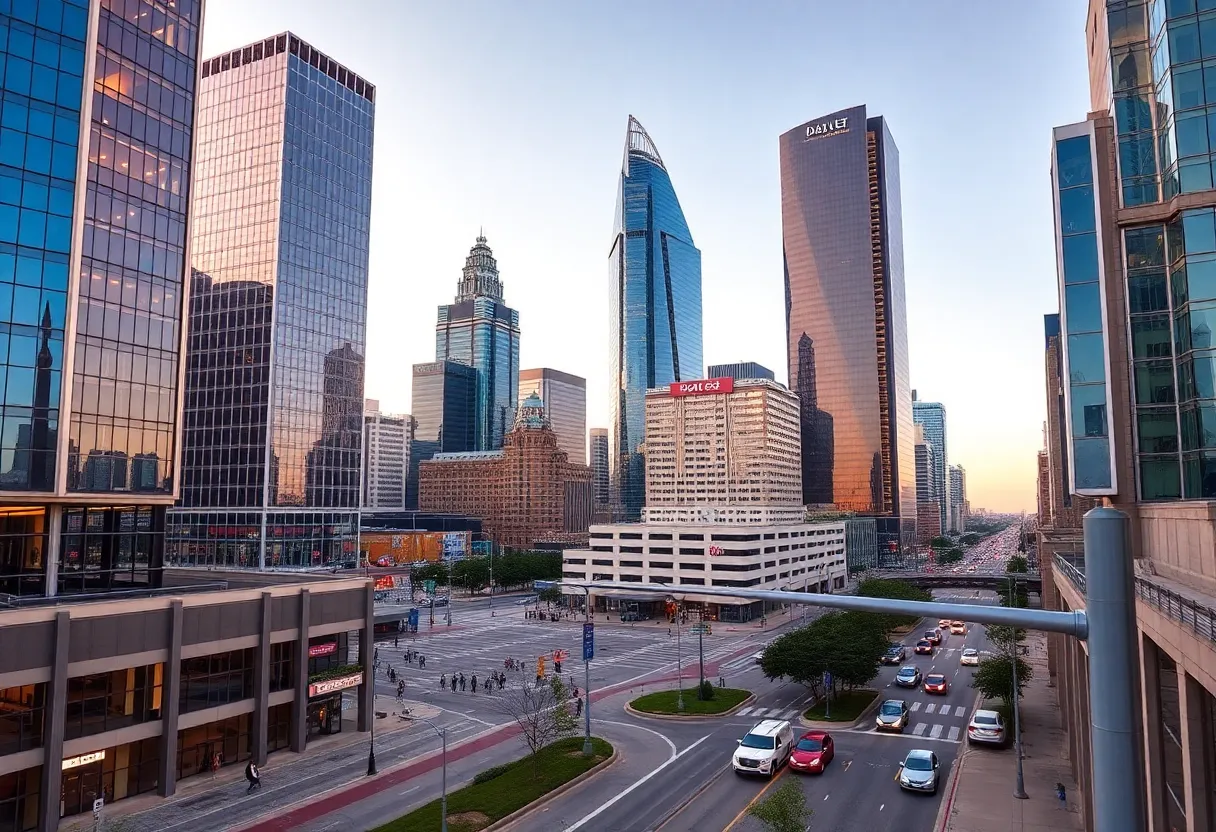
Texas – The economic outlook for the Dallas-Fort Worth (DFW) area remains strong despite challenges posed by national economic uncertainties. The DFW region is characterized by its strategic geography, robust infrastructure, business-friendly policies, and high quality of life, contributing to its status as an economic powerhouse in the state and beyond. Leading companies such as Texas Instruments, American Airlines, AT&T, Kimberly-Clark, Toyota, and McKesson have established their presence in the area, further solidifying its reputation for business growth.
However, residents of DFW have expressed concerns regarding rising inflation and disappointing national job creation numbers. A roundtable discussion among leaders in fiscal and economic development highlighted these issues while focusing on future economic prospects for the region. A critical point of emphasis during the discussions was the need for effective immigration policies, which are essential for expanding the labor force and enhancing productivity.
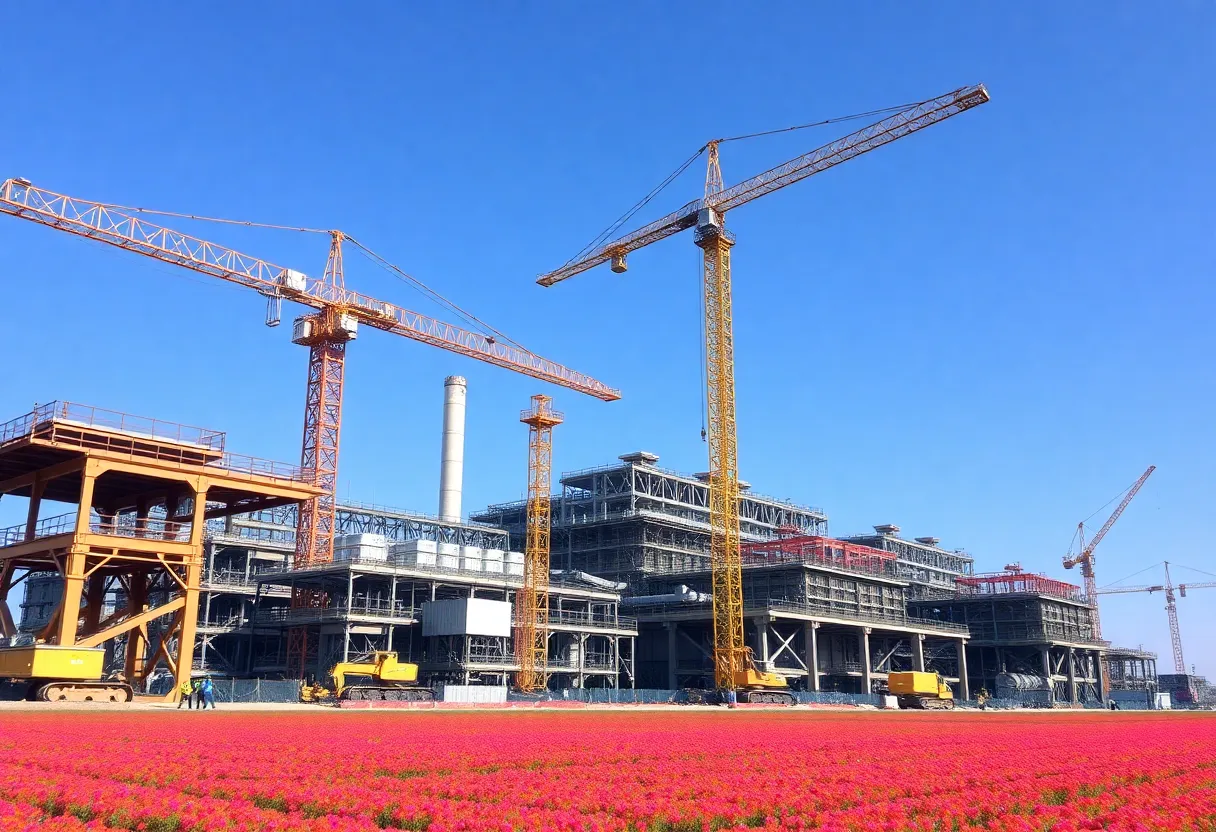
One significant challenge facing the DFW area is its aging demographic and contracting labor force. Construction companies specifically are finding it difficult to recruit skilled workers, indicating a significant need for policies that foster immigration and bolster workforce growth. Moreover, advancements in artificial intelligence (AI) technology are anticipated to enhance productivity and address labor shortages.
The energy sector in DFW is under pressure as demand for electricity continues to surge. This growth necessitates increased investments in generation and transmission capabilities to maintain service levels. Furthermore, while DFW is well-positioned for data center development, it currently lacks the adequate infrastructure to meet the rising energy demands expected in the future.
Recent economic data demonstrates a trend of decreasing inflation, yet wage growth has not kept pace with inflation compared to figures from the last five years. A substantial downward revision in job growth numbers reported by the Department of Labor has also raised questions regarding the reliability of employment statistics. Currently, DFW boasts a regional unemployment rate of 3.5%, which is significantly better than the national average of 4.1%.
The Federal Reserve Bank of Dallas has projected that Texas could see the addition of 225,000 jobs by 2025. This is indicative of ongoing investment and operational expansions by local companies such as Siemens and Tech Mahindra, which are actively growing their presence in the DFW area. Key sectors driving job creation include financial services, manufacturing, and information technology, with institutions like Goldman Sachs and the Bank of New York establishing significant operations within the region.
Trends in housing development reveal a concentration of new permits in suburban areas, reflecting a workforce that is increasingly migrating outward from urban centers. This trend poses challenges for legislators who are grappling with energy supply concerns due to growing population and business demands. To support future growth, the DFW area has approved various water projects, ensuring sustainable resources are available at least through the 2050s, although long-term water supply planning remains a necessity.
The DFW region benefits from favorable tax policies and a pro-business environment, giving it a competitive advantage relative to other states, such as Oklahoma. The Texas Triangle, comprising major metropolitan areas, offers opportunities for regional collaboration aimed at stimulating economic growth. Nonetheless, vulnerabilities persist, notably in the realms of public education funding and water management, which could hinder future development projects.
On the commercial real estate front, the DFW market is evolving, with an emerging shift towards experience-driven workspaces designed to enhance talent retention and employee satisfaction. Major office developments are underway as companies seek high-quality, amenity-rich environments to attract top talent. However, challenges in securing financing for new office constructions illustrate the shifting dynamics in this sector amidst changing market conditions. Overall, the DFW region remains a beacon of resilience and growth, continuously attracting new businesses and investments in the face of broader economic uncertainties.
Deeper Dive: News & Info About This Topic
- Dallas News: February Jobs Report
- JLL: Dallas-Fort Worth Industrial Insights
- D Magazine: CRE Outlook for Dallas Office Market
- Bisnow: DFW 2025 Market Forecast
- Norada Real Estate: Dallas Real Estate Market Forecast
- Wikipedia: Dallas
- Google Search: Dallas Fort Worth Economy
- Google Scholar: Dallas Economic Growth
- Encyclopedia Britannica: Dallas
- Google News: Dallas Fort Worth Economic Trends


Author: STAFF HERE COLLEGE WRITER
The COLLEGE STATION STAFF WRITER represents the experienced team at HERECollegeStation.com, your go-to source for actionable local news and information in College Station, Brazos County, and beyond. Specializing in "news you can use," we cover essential topics like product reviews for personal and business needs, local business directories, politics, real estate trends, neighborhood insights, and state news affecting the area—with deep expertise drawn from years of dedicated reporting and strong community input, including local press releases and business updates. We deliver top reporting on high-value events such as the Brazos Valley Fair & Rodeo, Chilifest, and Aggie Muster. Our coverage extends to key organizations like the Bryan-College Station Chamber of Commerce and United Way of the Brazos Valley, plus leading businesses in education, biotechnology, and retail that power the local economy such as Texas A&M University, Fujifilm Diosynth Biotechnologies, and H-E-B. As part of the broader HERE network, including HEREAustinTX.com, HEREDallas.com, HEREHouston.com, and HERESanAntonio.com, we provide comprehensive, credible insights into Texas's dynamic landscape.