
News Summary
Texas is at a crossroads as lawmakers consider new regulations that could impede the growth of renewable energy sources like solar and wind. Over 2,300 bills have been filed, with some pushing to hand over regulatory authority to the Public Utility Commission. While safety concerns are being raised, critics argue that these measures could stall progress and increase costs. Texas leads the nation in renewable energy production, and with rising power demands, the outcome of these legislative decisions will significantly impact the state’s energy future.
Texas Faces Legislative Challenges for Renewable Energy Development
In the thriving city of Austin, the buzz around renewable energy is getting louder as lawmakers shake things up with proposed regulations that might just rain on Texas’s renewable energy parade. With skyrocketing power needs fueled by new data centers, advances in artificial intelligence, unpredictable weather patterns, and a rapidly growing population, the legislative landscape appears poised for tumultuous debates.
Over 2,300 Bills On Deck
This legislative session is heating up with more than 2,300 bills hitting the floor, and many of them could put a serious crimp in the growth of the renewable energy sector. A notable contingent of Republican lawmakers is advocating for the Public Utility Commission of Texas to take over the regulation of new battery, wind, and solar projects. This potential handover raises eyebrows, particularly when one considers that traditional gas and coal power plants don’t face the same rigorous permitting requirements.
Safety Concerns Amplified
Proponents of increased regulations argue it’s all about safety, especially for folks living in rural areas close to proposed battery storage sites. As the use of these energy sources ramps up, worries about safety—think battery fires and health risks—have started to bubble to the surface. Recent battery fire incidents in California have fueled anxiety among Texans, igniting calls for stricter rules on where battery facilities can be located.
Environmental Impacts and Opposition
However, it’s not all doom and gloom. Environmental groups, such as Environment Texas, are sounding the alarm that overly restrictive regulations could undermine the critical push toward renewable energy. As it stands, Texas is seeing a tremendous increase in battery storage and renewable energy initiatives, which have become crucial for meeting the forecasted rise in power demand—expected to soar to nearly 150 gigawatts by the end of this decade.
Renewable Energy: A Bright Future?
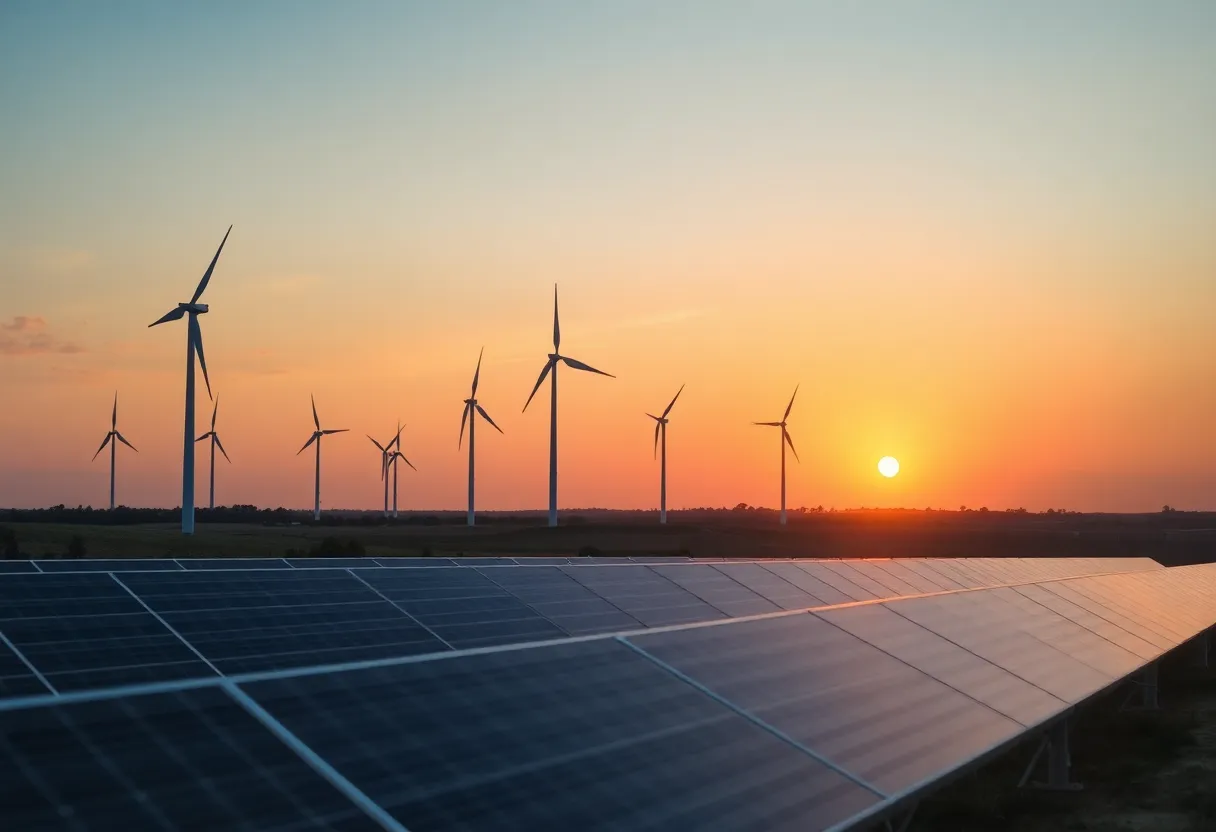
Texas has established itself as a big player in renewable energy, surpassing California in the development of utility-scale solar installations, while also leading the U.S. in wind energy generation. With at least 121 operational battery sites producing around 8,000 megawatts of electricity—enough to power approximately 2.5 million homes during those extreme weather conditions—the growth potential is certainly promising. Some experts forecast that this capacity could double within the next five years, painting an optimistic picture.
Economic Implications of New Legislation
As lawmakers push different proposals, including allowing counties to ban battery facilities within a quarter-mile of homes, introducing new fees, and mandating environmental studies for renewable projects, critics are raising red flags. Many argue these measures could stifle the robust growth of renewable energy in Texas, ultimately impacting businesses and consumers with higher costs.
Renewables Saving Texans Money
On a positive note, a recent financial study highlighted the tremendous savings brought about by renewable energy in Texas, showing that the state’s residents pocketed a remarkable $11 billion in energy costs over just the last two years, while also benefitting from lower rates for businesses. With estimates indicating that 1 megawatt can serve up to 250 homes during extreme weather, the crucial role of battery storage and renewable energy is becoming clearer by the day.
The Future Is Uncertain
As the legislative discussions heat up, striking a balance between expanding energy resources and ensuring community safety is proving to be quite a challenge. The Electric Reliability Council of Texas anticipates that capacity could hit about 115 megawatts by the summer of 2024. It remains to be seen if lawmakers will be able to juggle these competing demands effectively. The future of Texas’s energy landscape hangs in the balance as this dynamic situation continues to unfold.
Deeper Dive: News & Info About This Topic
- Dallas News: Solar Energy in East Texas
- Solar Quarter: Meta and Zelestra Clean Energy Deal
- K&L Gates: Proposed Texas Senate Bills Impacting Renewable Energy
- Reuters: Texas Leads in Renewable Energy Capacity
- Wikipedia: Renewable Energy in the United States


Author: STAFF HERE COLLEGE WRITER
The COLLEGE STATION STAFF WRITER represents the experienced team at HERECollegeStation.com, your go-to source for actionable local news and information in College Station, Brazos County, and beyond. Specializing in "news you can use," we cover essential topics like product reviews for personal and business needs, local business directories, politics, real estate trends, neighborhood insights, and state news affecting the area—with deep expertise drawn from years of dedicated reporting and strong community input, including local press releases and business updates. We deliver top reporting on high-value events such as the Brazos Valley Fair & Rodeo, Chilifest, and Aggie Muster. Our coverage extends to key organizations like the Bryan-College Station Chamber of Commerce and United Way of the Brazos Valley, plus leading businesses in education, biotechnology, and retail that power the local economy such as Texas A&M University, Fujifilm Diosynth Biotechnologies, and H-E-B. As part of the broader HERE network, including HEREAustinTX.com, HEREDallas.com, HEREHouston.com, and HERESanAntonio.com, we provide comprehensive, credible insights into Texas's dynamic landscape.