

News Summary
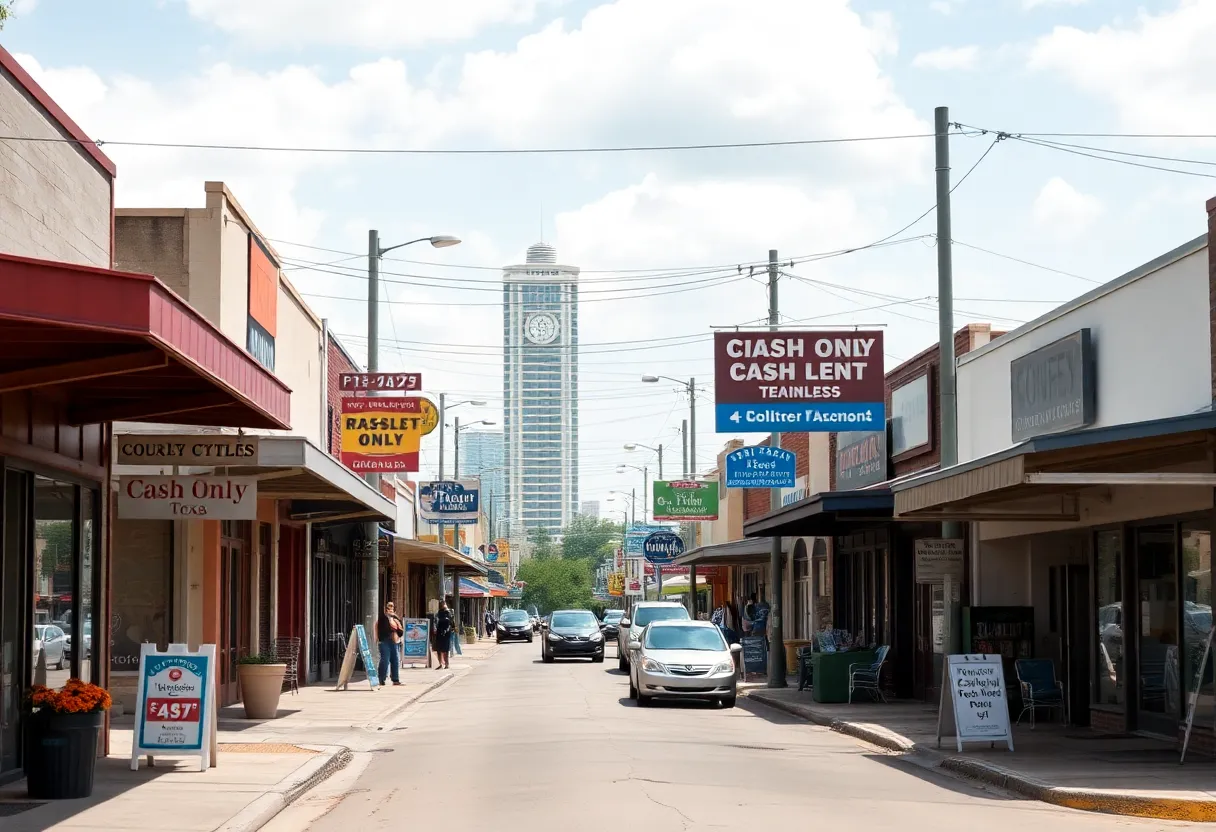
The trend towards cashless transactions is rapidly growing in Texas as more businesses opt for card payments over cash. While this shift promises increased efficiency and reduced theft risks, it raises concerns for low-income residents who rely on cash. With a significant number of unbanked households in the state, the push for cashless options may marginalize certain segments of the population. Meanwhile, businesses continue to adapt, and discussions around the implications of this trend are ongoing.
Texas businesses have increasingly transitioned to cashless operations, raising questions about the implications for consumers and low-income earners. With rising numbers of establishments accepting only debit and credit cards, the move away from cash is evident, particularly in places like large retail stores and amusement parks. As it stands, no federal or state law requires businesses to accept cash, allowing Texas merchants the legal freedom to go cashless.
A 2022 study by Pew Research Center found that approximately 41% of Americans did not make any cash purchases in a typical week, highlighting a significant shift in consumer behavior towards digital payment methods. This trend has accelerated in the years following the COVID-19 pandemic, making cashless transactions a convenient choice for many consumers. Despite the rapid adoption of cashless payments among wealthier individuals, lower-income earners remain disproportionately reliant on cash. The same Pew study indicates that access to cash payments varies widely across demographic groups, with many low-income households lacking basic banking services.
According to Federal Reserve guidelines, businesses are free to establish their own payment policies. This means Texas businesses can opt to operate solely on a cashless basis if they choose. In contrast, some states and larger cities across the U.S. have implemented laws mandating cash acceptance in businesses, but Texas remains without such regulations. The absence of cash acceptance requirements has led to growing concerns from various advocacy groups and nonprofits, who argue that cashless business models can alienate low-income consumers.
In Texas, data from the FDIC reveals concerning trends regarding unbanked households. As of 2019, unbanked rates were notably high among Black and Hispanic households, with figures of 11.4% and 14.5% respectively, while only 2.5% of white households reported being unbanked. The primary reasons for individuals remaining without bank accounts usually stem from a lack of funds to meet minimum balance requirements and a general distrust of banking institutions.
Critics of the cashless trend highlight potential marginalization of low-income individuals, who may lack access to essential financial tools such as credit or debit cards. However, some proponents argue that the relatively easy process of opening a bank account and obtaining a debit card presents a safe alternative to cash. They support the notion that digital payments enhance transaction security and facilitate more efficient business operations, leading to decreased theft risks and reduced operational costs.
In a recent move towards cashless transactions well-publicized in the state, Six Flags Over Texas has imposed a card-only payment policy. The amusement park provides cash-to-prepaid debit card conversion kiosks, making it possible for cash users to continue enjoying its services despite the transition. Such developments underscore the audio that cashless businesses are becoming increasingly common.
Despite the apparent benefits for businesses, ongoing debates around cash acceptance policies suggest that there is no consensus on this issue. In fact, the Austin Human Rights Commission has previously recommended legislation prohibiting businesses with five or more employees from refusing cash payments. This recommendation reflects growing pressures on businesses and policymakers to consider the challenges faced by unbanked individuals as the cashless trend gains traction.
As Texas continues to witness the growth of cashless transactions and digital payment systems, the implications for its residents—particularly those on the lower end of the income scale—demand careful consideration. The ongoing discussions around the need for inclusive financial policies highlight the significant impact of this transition on the broader economic landscape.
Deeper Dive: News & Info About This Topic
- Star-Telegram: Cashless Transactions in Texas
- Wikipedia: Cashless Society
- KPEL: Impact of Cashless Businesses on Texas Shoppers
- Google Search: Cashless Transactions Texas
- Houston Chronicle: Texas Cashless Business Requirement
- Google Scholar: Cashless Transactions
- Dallas News: Six Flags Goes Cashless
- Encyclopedia Britannica: Cashless Business
- KFMB: Texas Six Flags Now Cashless
- Google News: Cashless Businesses Texas


Author: STAFF HERE COLLEGE WRITER
The COLLEGE STATION STAFF WRITER represents the experienced team at HERECollegeStation.com, your go-to source for actionable local news and information in College Station, Brazos County, and beyond. Specializing in "news you can use," we cover essential topics like product reviews for personal and business needs, local business directories, politics, real estate trends, neighborhood insights, and state news affecting the area—with deep expertise drawn from years of dedicated reporting and strong community input, including local press releases and business updates. We deliver top reporting on high-value events such as the Brazos Valley Fair & Rodeo, Chilifest, and Aggie Muster. Our coverage extends to key organizations like the Bryan-College Station Chamber of Commerce and United Way of the Brazos Valley, plus leading businesses in education, biotechnology, and retail that power the local economy such as Texas A&M University, Fujifilm Diosynth Biotechnologies, and H-E-B. As part of the broader HERE network, including HEREAustinTX.com, HEREDallas.com, HEREHouston.com, and HERESanAntonio.com, we provide comprehensive, credible insights into Texas's dynamic landscape.