
News Summary
Texas is experiencing a significant boom in data centers, becoming a hub for data storage and processing. With 448 operational facilities and projections for explosive growth, there are concerns about high water consumption amidst ongoing drought challenges. The state’s deregulated power market and favorable business conditions have fueled this expansion, but as water usage rises, recommendations for better regulations are needed to ensure sustainability. The future of the data center landscape in Texas hinges on balancing rapid expansion with responsible resource management.
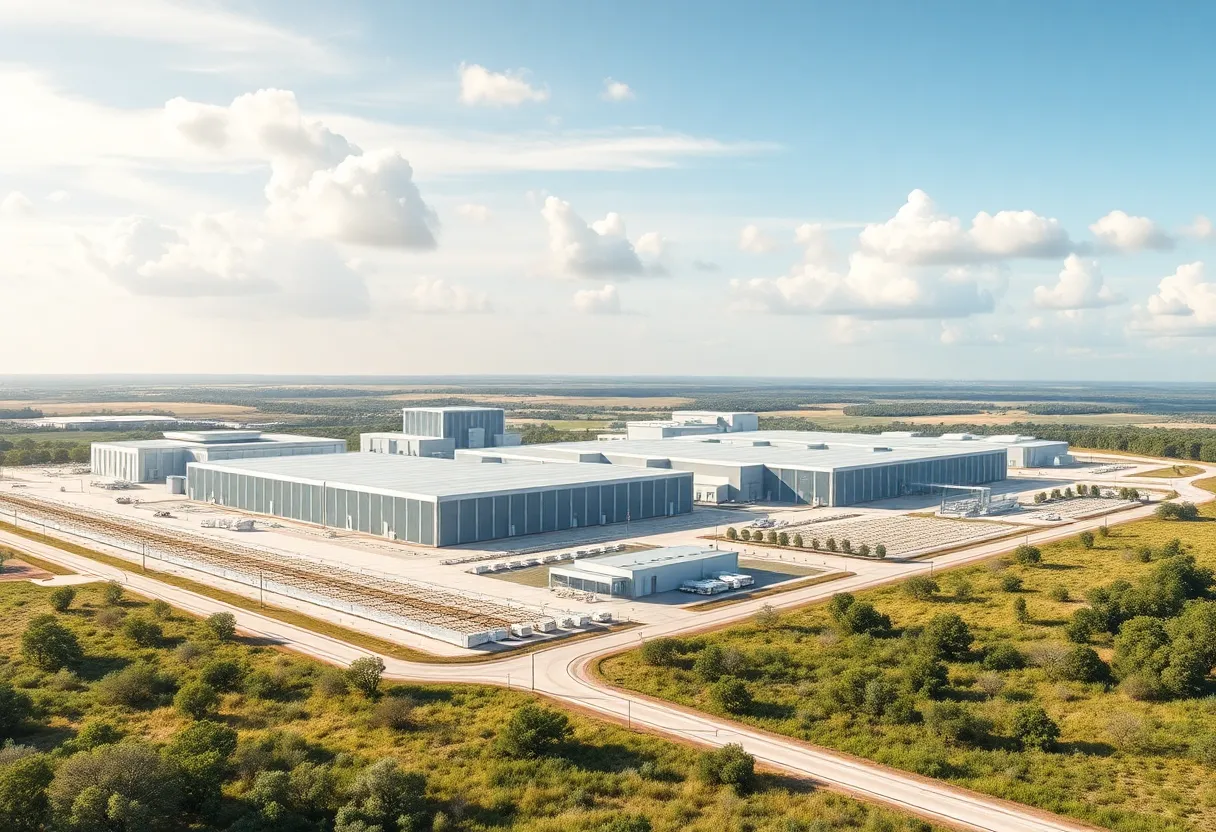
Texas is facing challenges regarding water scarcity as the state experiences a data center boom. With a current total of 448 operational data centers managed by 127 providers, the demand for both electricity and water is rising sharply. These facilities consume approximately 9,402 megawatts of electricity, equivalent to the energy needs of about 7.8 million households. Projections indicate that the number of data centers in Texas could increase tenfold by the year 2030, prompting concerns over environmental sustainability.
The Electric Reliability Council of Texas anticipates that the capacity of the electricity grid will need to surge from 85 gigawatts in 2024 to as much as 218 gigawatts by 2031 to accommodate the growth of data centers. As the backbone of modern digital services, data centers are essential for storing, processing, and transmitting vast amounts of digital information, supporting functions such as cloud storage, artificial intelligence, and cryptomining.
Several factors contribute to Texas becoming a leading hub for data centers. The availability of large and inexpensive parcels of land in rural areas allows for expansion opportunities without the high costs associated with coastal metropolitan locations. Additionally, Texas’s deregulated power market offers lower electricity rates for high-volume users, while its business-friendly culture is complemented by fewer zoning restrictions compared to many other states. Infrastructure for major internet connections also supports rapid data transfer, making the state an attractive location for data operations.
Current and Future Developments
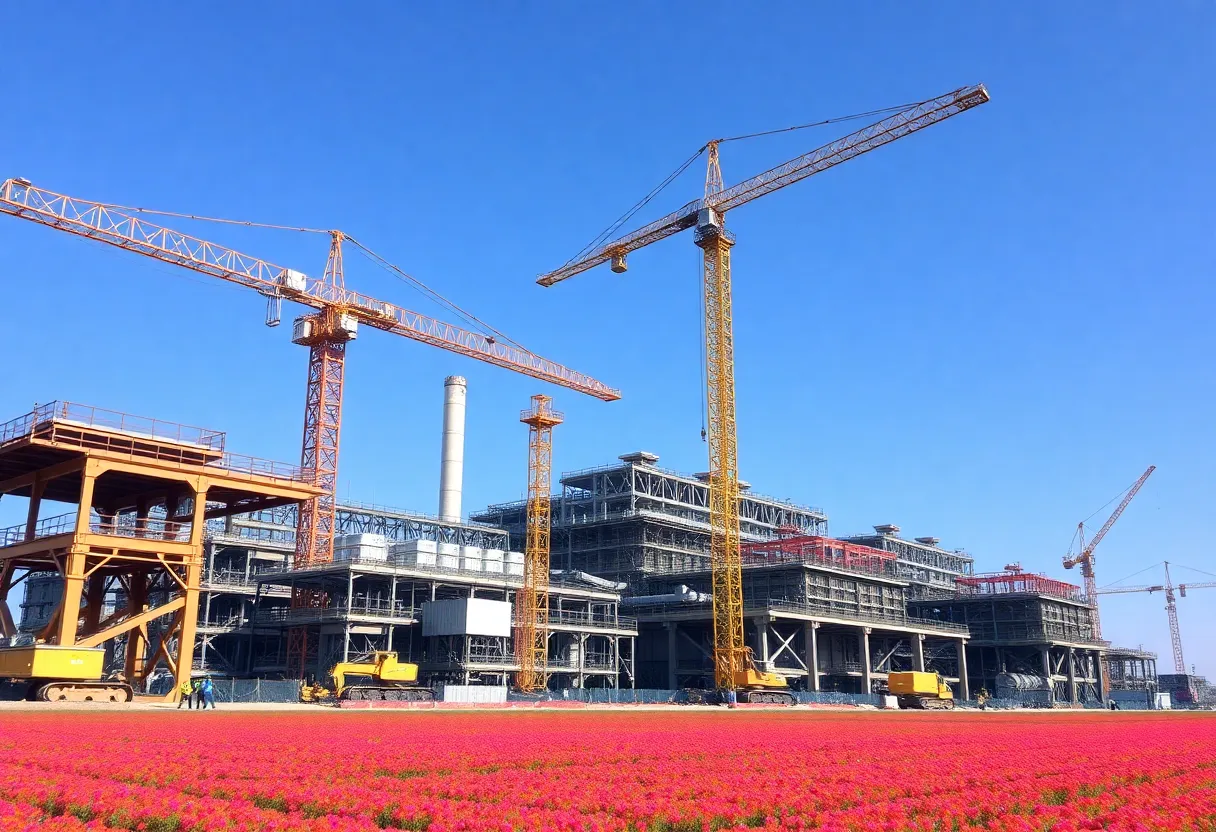
San Antonio currently houses 56 data centers, with an additional 13 under construction. In Austin, 13 projects are also underway, while Dallas boasts 39 data centers, and West Texas is seeing 22 new facilities being built. Among the most notable development projects is the Stargate campus in Abilene, which is on track to be larger than New York City’s Central Park and is backed by a $500 billion joint investment from OpenAI, Oracle, and SoftBank.
Another major initiative, called “Data City, Texas,” is planned as a large 50,000-acre data center hub near Laredo, with construction scheduled to begin in 2026. This hub is expected to initially be powered by natural gas. A 2-gigawatt data center megasite is projected for Caldwell County by 2028, along with additional projects in the San Marcos area.
Water Consumption Concerns
Despite these advancements, concerns surrounding water consumption in data centers are increasingly evident, especially amid Texas’ ongoing drought conditions. Current estimates suggest that by 2025, data centers in Texas will consume an estimated 49 billion gallons of water, with that figure expected to soar to 399 billion gallons annually by 2030. On average, a midsize data center may use up to 300,000 gallons of water daily, whereas larger facilities can expend as much as 4.5 million gallons each day.
Texas currently lacks specific regulations governing water usage for data centers, in contrast to recent laws targeting their energy consumption. The intensive water usage for cooling methods in many data centers raises alarms about potential conflicts over water resources between industrial needs and municipal usage. A recent report emphasizes the need for improved planning and regulatory measures regarding water consumption in data center development.
Recommendations for Future Development
The report outlines critical recommendations for ensuring sustainable development of data centers in Texas. These include requiring developers to disclose projected water consumption and invest in water recycling systems as integral components of new projects. Implementing these practices could help mitigate the environmental impact of data centers amid the state’s rapid growth.
As Texas continues to expand its data center infrastructure, stakeholders must address the challenges of sustainability, particularly concerning water resources, to ensure a balanced approach to economic growth and environmental conservation.
Deeper Dive: News & Info About This Topic
- Utility Dive: Texas Data Center Buildout
- Newsweek: Texas Data Center and Water
- NBC DFW: Texas Energy Demand
- Data Center Dynamics: NRG Power Supply Deal
- Ars Technica: OpenAI and Partners
- Wikipedia: Data Center
- Google Search: Texas Data Centers
- Google Scholar: Texas Data Center Water Consumption
- Encyclopedia Britannica: Data Center
- Google News: Texas Data Centers


Author: STAFF HERE COLLEGE WRITER
The COLLEGE STATION STAFF WRITER represents the experienced team at HERECollegeStation.com, your go-to source for actionable local news and information in College Station, Brazos County, and beyond. Specializing in "news you can use," we cover essential topics like product reviews for personal and business needs, local business directories, politics, real estate trends, neighborhood insights, and state news affecting the area—with deep expertise drawn from years of dedicated reporting and strong community input, including local press releases and business updates. We deliver top reporting on high-value events such as the Brazos Valley Fair & Rodeo, Chilifest, and Aggie Muster. Our coverage extends to key organizations like the Bryan-College Station Chamber of Commerce and United Way of the Brazos Valley, plus leading businesses in education, biotechnology, and retail that power the local economy such as Texas A&M University, Fujifilm Diosynth Biotechnologies, and H-E-B. As part of the broader HERE network, including HEREAustinTX.com, HEREDallas.com, HEREHouston.com, and HERESanAntonio.com, we provide comprehensive, credible insights into Texas's dynamic landscape.