
News Summary
The Texas Energy Fund, created to support natural gas power plant construction, is facing significant challenges, with only two projects approved and concerns over profitability and supply chain issues. Despite the initial investment, the pace of development is slow, raising questions about the state’s ability to meet future energy demands. Recent trends indicate a growing preference for solar and battery storage technologies, complicating the natural gas landscape. However, there remains some positive progress with a notable loan approval for a gas project in Houston.
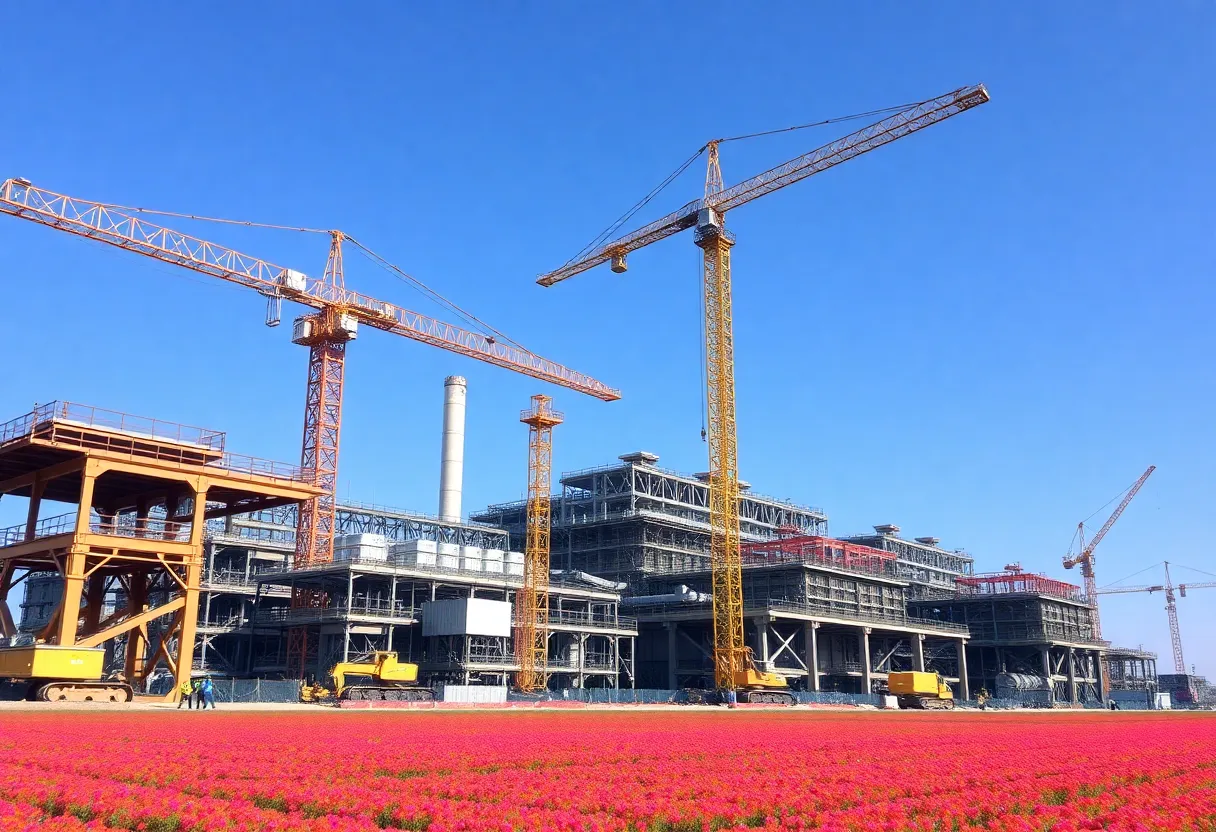
Texas is facing significant challenges in attracting development for natural gas power plants, despite the availability of the Texas Energy Fund (TEF) aimed at bolstering the state’s strained power grid. Established in spring 2023, the TEF allocated $7.2 billion in low-interest loans and bonus grants to jump-start construction, which experts now suggest may not be sufficient given the current unfavorable conditions in the energy market.
So far, only two projects have secured funding under the TEF’s In-ERCOT Generation Loan Program, tapping just $321 million of the fund, which raises questions about the program’s effectiveness. These two approved projects are set to generate a combined capacity of 578 megawatts, a drastic shortfall compared to the forecasted need of 62,500 megawatts by 2030.
As the demand for energy continues to grow in Texas, especially fueled by the expanding artificial intelligence sector, the pressure on supply chains is palpable. Delays in acquiring necessary turbines and equipment have doubled wait times, complicating the development of new natural gas plants. Current projections by the Electric Reliability Council of Texas (ERCOT) suggest that the state’s energy demand will double by 2030, underscoring the urgency for new power generation facilities.
TEF Loan Program Under Strain
The TEF was initially created in response to Winter Storm Uri, which caused significant power outages and loss of life, prompting lawmakers to prioritize the construction of reliable natural gas plants. Although the fund was originally set at $5 billion, an additional $5 billion was added earlier this year. However, of the total funds, $2.8 billion is now reserved for programs unrelated to new natural gas plant construction.
Currently, there are 15 applications under review that could add a potential capacity of 8,392 megawatts. However, substantial barriers remain. Out of the 25 applications that have advanced to due diligence, seven were withdrawn because of issues related to supply chain logistics or concerns about project viability and profitability. One previous application was also denied due to allegations of fraud. The most recent withdrawal was noted from Hunt Energy Network, which cited concerns regarding the cost-effectiveness of constructing under the TEF loan program.
Future Prospects and Competition
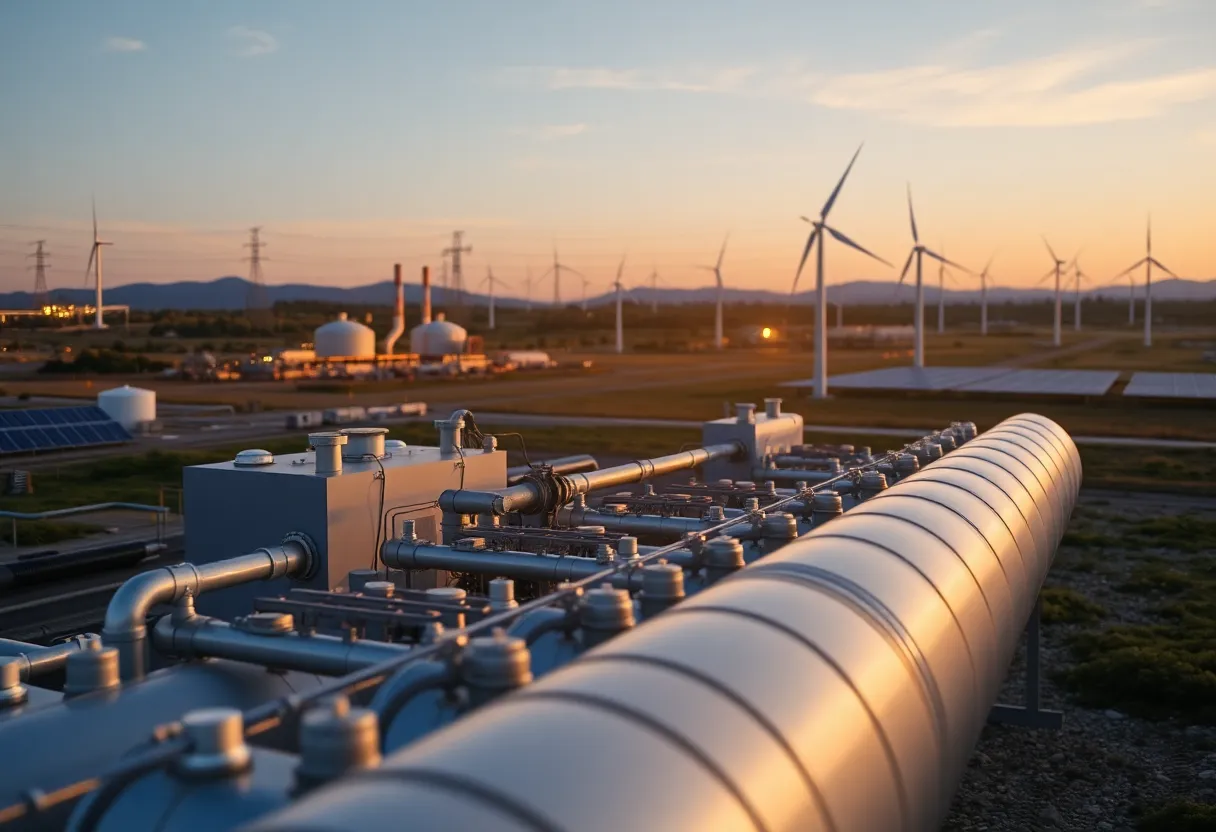
As the state grapples with increased energy demands, the forecast shows a distinct shift towards advancements in solar technology and battery storage systems that could overshadow natural gas developments. This shift is leading to decreased profitability for potential new natural gas plants, making it harder to attract investment in the sector. Additionally, various legislators have begun to voice concerns regarding the use of taxpayer dollars to subsidize these energy projects amidst rising costs.
Despite these challenges, there are still some positive indicators within the TEF initiative. NRG Energy, for example, has successfully secured a $216 million loan to develop two new natural gas units at its TH Wharton power plant in Houston. This project is expected to generate more than 1.5 gigawatts of capacity by 2028, with operations slated to commence in the summer of 2026 to address the power demand specifically in the constrained Houston load zone. The total cost of this project is projected to be less than $360 million, with the TEF loan expected to cover up to 60% of these costs at a favorable interest rate of 3% over 20 years.
Legislative Response and Market Outlook
Given the current market conditions, the Texas Legislature has extended deadlines for the utilization of TEF funds as it seeks to navigate these economic obstacles. With increased scrutiny on energy projects and recent loan denials, questions regarding the overall effectiveness of the TEF may compel further adjustments to the program and its implementation strategies.
In conclusion, while the Texas Energy Fund was designed to stimulate the construction of natural gas power plants in Texas, experts and stakeholders are increasingly concerned that ongoing market challenges and competition from alternative energy sources may hinder its intended impact. The need for dependable energy solutions remains critical as the state prepares for a future of burgeoning demand and evolving energy landscapes.
Deeper Dive: News & Info About This Topic
- White & Case Advises NRG Energy
- The Facts: Texas Energy Fund Loan Program
- Utility Dive: Texas Selects NRG for Loan
- Houston Chronicle: Texas Energy Fund Greenlit
- Business Wire: NRG Closes on Texas Energy Fund Loan
- Wikipedia: Natural Gas


Author: STAFF HERE COLLEGE WRITER
The COLLEGE STATION STAFF WRITER represents the experienced team at HERECollegeStation.com, your go-to source for actionable local news and information in College Station, Brazos County, and beyond. Specializing in "news you can use," we cover essential topics like product reviews for personal and business needs, local business directories, politics, real estate trends, neighborhood insights, and state news affecting the area—with deep expertise drawn from years of dedicated reporting and strong community input, including local press releases and business updates. We deliver top reporting on high-value events such as the Brazos Valley Fair & Rodeo, Chilifest, and Aggie Muster. Our coverage extends to key organizations like the Bryan-College Station Chamber of Commerce and United Way of the Brazos Valley, plus leading businesses in education, biotechnology, and retail that power the local economy such as Texas A&M University, Fujifilm Diosynth Biotechnologies, and H-E-B. As part of the broader HERE network, including HEREAustinTX.com, HEREDallas.com, HEREHouston.com, and HERESanAntonio.com, we provide comprehensive, credible insights into Texas's dynamic landscape.