
News Summary
Texas has enacted new legislation focused on food safety, requiring warning labels on products containing over 40 controversial additives. Governor Greg Abbott signed Senate Bill 25, aiming to improve public health by shining a light on ingredients deemed unsafe in other countries. This change affects a variety of popular snacks, including M&Ms and Cheetos. With a deadline set for 2027, food producers are adjusting their recipes as they navigate potential consumer backlash and legal challenges. The law signifies a shift towards healthier regulations in Texas’s food landscape.
Texas Governor Greg Abbott Signs Bill Requiring Warning Labels on Food Products with Controversial Ingredients
Texas Governor Greg Abbott has enacted a new law that requires warning labels on food and beverage products containing certain ingredients deemed “not recommended for human consumption” by international health authorities. The legislation, known as Senate Bill 25, targets over 40 additives that raise health concerns, including synthetic dyes and bleached flour, which are commonly found in popular products such as M&Ms, Cinnamon Toast Crunch, and Fanta.
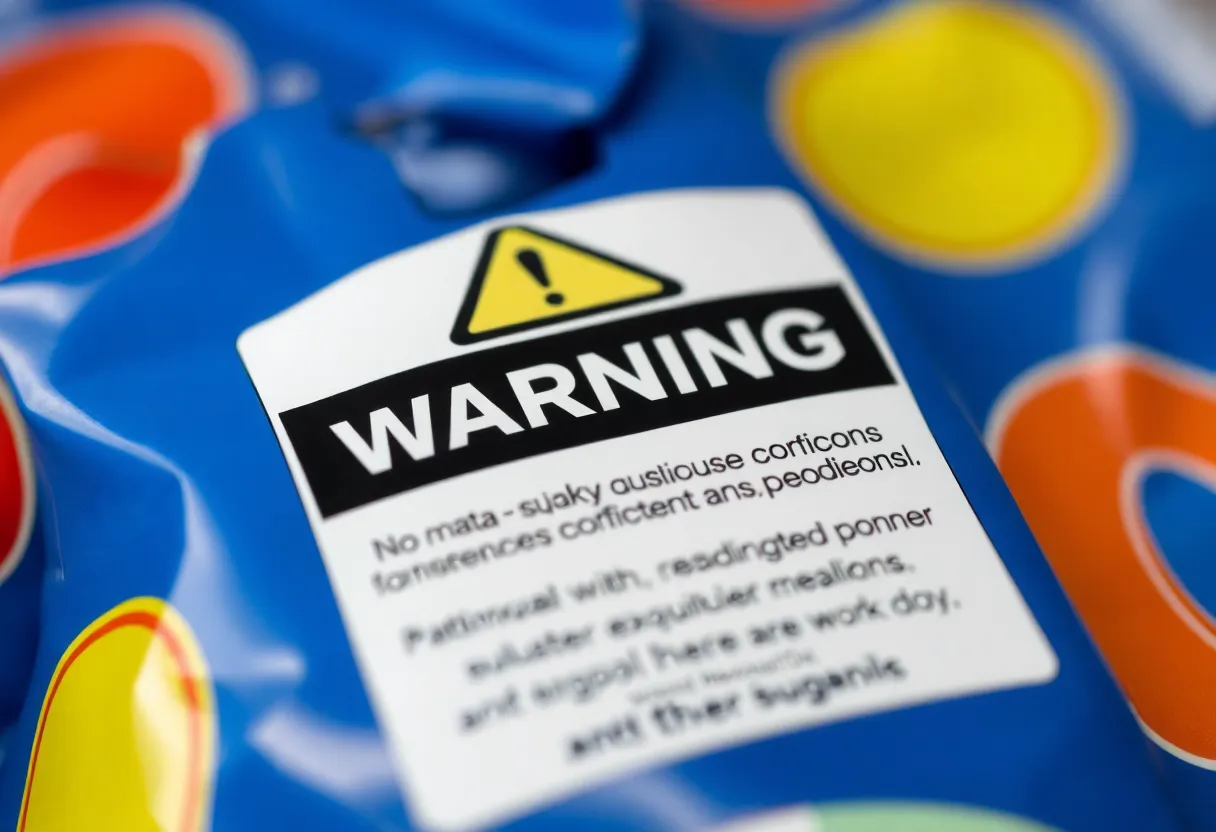
Under this law, food companies are mandated to eliminate these controversial ingredients from products sold in Texas by 2027, or face the requirement of adding warning labels. The labels will specifically inform consumers that the products contain ingredients prohibited or requiring warnings in other countries, including Australia, Canada, the European Union, and the United Kingdom.
As a part of a broader health initiative called “Make America Healthy Again,” led by Health and Human Services Secretary Robert F. Kennedy Jr., the new regulations reflect an evolving attitude toward food safety in Texas. Historically, the state has supported fewer regulations on food production, but this legislation marks a notable shift towards prioritizing public health.
Details on the Legislation and Ingredient List
The bill identifies more than 40 additives that are either banned or carry warning requirements in other nations. Food products that might now require warning labels include well-known snacks such as Cheetos, Doritos, and Skittles. However, companies can avoid labeling requirements if the FDA or USDA reclassifies these ingredients as safe after the bill’s effective date of September 1, 2027.
Furthermore, if federal regulations classify certain ingredients as unsafe or mandate labeling for ultra-processed foods, those guidelines would take precedence over Texas’ state regulations.
Industry Response and Consequences
Major food corporations, such as Kraft Heinz Co. and General Mills Inc., have begun reformulating their products in anticipation of the new law. This proactive approach highlights the bill’s potential influence on national labeling practices as Texas is the second-most populous state in the United States, housing over 31 million residents.
However, the law may face challenges from food industry groups that argue its broad definitions and reliance on foreign classification standards are problematic. Critics contend that the legislation might create unnecessary alarm among consumers while placing undue burdens on manufacturers.
Broader Health Initiatives
In addition to the warning label requirements, Senate Bill 25 includes a variety of health initiatives aimed at improving nutrition and food safety within the state. This includes updates to nutrition training in Texas medical schools and the creation of a state nutrition advisory committee, demonstrating a comprehensive approach to health policy in Texas.
Implications for Consumer Health
Advocates of the legislation believe that implementing warning labels will lead to significant public health improvements. By requiring companies to disclose potentially harmful ingredients, consumers will be better informed about the products they are purchasing. This transparency is seen as an essential step toward fostering healthier eating habits among Texans and influencing corporate behavior regarding product safety.
As the introduction of warning labels sets a precedent, industry experts predict that other states may follow Texas’ lead in reevaluating food regulations. The public’s response to these changes could be pivotal in shaping food safety practices across the nation.
As the implementation date approaches, Texas prepares for a significant regulatory change in food labeling, setting a new bar for health and safety standards in the food industry.
Deeper Dive: News & Info About This Topic
- Washington Post: Texas Food Warning Labels
- Bloomberg: Texas Law Requiring Warnings on Some Foods
- Stat News: Texas Senate Bill 25 Targets Additives
- Food Dive: Texas Food Label Warning
- Wikipedia: Food Additive


Author: STAFF HERE COLLEGE WRITER
The COLLEGE STATION STAFF WRITER represents the experienced team at HERECollegeStation.com, your go-to source for actionable local news and information in College Station, Brazos County, and beyond. Specializing in "news you can use," we cover essential topics like product reviews for personal and business needs, local business directories, politics, real estate trends, neighborhood insights, and state news affecting the area—with deep expertise drawn from years of dedicated reporting and strong community input, including local press releases and business updates. We deliver top reporting on high-value events such as the Brazos Valley Fair & Rodeo, Chilifest, and Aggie Muster. Our coverage extends to key organizations like the Bryan-College Station Chamber of Commerce and United Way of the Brazos Valley, plus leading businesses in education, biotechnology, and retail that power the local economy such as Texas A&M University, Fujifilm Diosynth Biotechnologies, and H-E-B. As part of the broader HERE network, including HEREAustinTX.com, HEREDallas.com, HEREHouston.com, and HERESanAntonio.com, we provide comprehensive, credible insights into Texas's dynamic landscape.