
News Summary
Texas lawmakers prepare for a special session to regulate hemp products after Governor Abbott vetoed a bill that aimed to ban THC-containing products. The veto is seen as a victory for the $8 billion hemp industry, alleviating concerns for retailers and farmers who depend on hemp-derived sales. The upcoming session will focus on creating regulations for public safety, product testing, and age restrictions, addressing previous health concerns while ensuring consumer confidence. Industry representatives celebrate the veto, highlighting the potential job stability for thousands in Texas.
Texas – Governor Greg Abbott’s recent veto of Senate Bill 3, which sought to ban the sale of hemp products containing any level of THC, has provided a crucial temporary relief for Texas’s $8 billion hemp industry. This decision is particularly significant for the livelihoods of thousands of retailers and farmers across the state. Following this veto, Texas lawmakers are preparing to convene for a special session aimed at establishing regulations for intoxicating hemp products, which is set to begin on Monday.
The special session’s primary focus will be to create a framework that regulates the sale and distribution of hemp products, primarily those containing THC. The governor’s proclamation indicates a preference for a regulatory structure similar to that of the alcohol industry. Proposed measures include banning the sales and marketing of THC products to minors, mandating product testing during the production and manufacturing processes, allowing local governments to prohibit sales, and increasing funding for law enforcement to properly enforce these new restrictions.
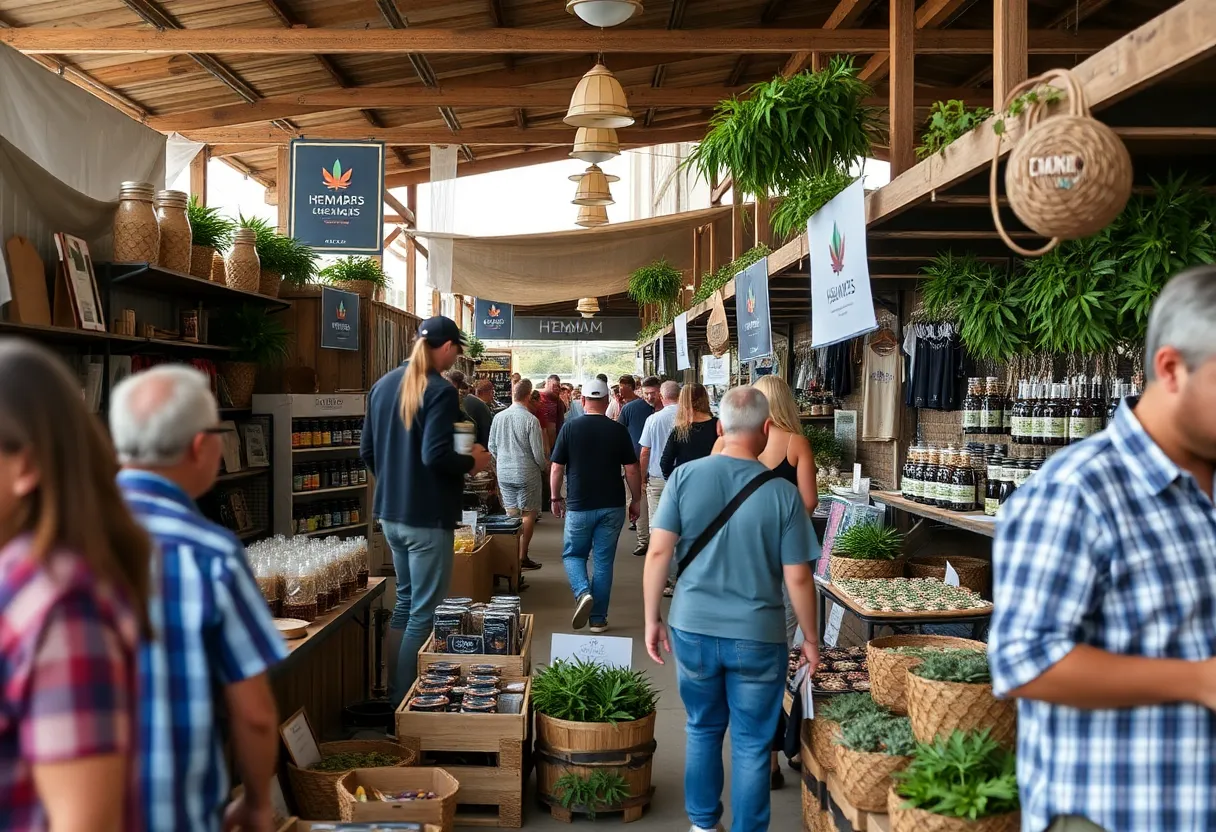
In light of Abbott’s veto, some business owners in the hemp industry have expressed relief and support for future regulations. For instance, a local business owner stated that their clientele includes both patients and everyday consumers who rely on hemp products for various health-related purposes. This sentiment underscores the importance of ensuring public safety through effective regulation, particularly in markets where consumer education might be lacking.
Despite Abbott’s action, the debate over hemp regulation in Texas is fueled by continued division among lawmakers. The state’s Lieutenant Governor has previously pushed for a complete ban on THC products, labeling it a life-and-death issue and accusing the governor of attempting to “legalize recreational marijuana.” Abbott’s veto reflects his concerns about the constitutional implications of the bill and the potential confusion that may arise for Texas farmers involved in hemp cultivation.
Customer feedback at local dispensaries highlights a positive perception of hemp-derived products, with many reporting benefits in addressing various health issues. A co-owner of a local dispensary pointed out that if Abbott had not vetoed the bill, approximately 60,000 jobs in Texas could have been lost by September, further emphasizing the potential impact on the state’s economy. In this context, industry representatives celebrated Abbott’s veto as both a victory for business innovation and a step towards ensuring public safety. Conversely, critics expressed their disappointment, viewing the veto as a lost opportunity for stronger regulations.
Governor Abbott referenced the need for a robust regulatory framework to mitigate concerns over lawsuits and enforcement challenges seen in other states that have enacted similar bans. This approach aims to establish guidelines that would not only regulate the market but also protect consumers and ensure public health initiatives are effective. In support of the regulatory process, the Texas Hemp Business Council successfully gathered around 150,000 signatures on a petition advocating for the veto of the proposed ban on THC products.
This ongoing legislative effort comes in conjunction with new cannabis laws poised to take effect in Texas, which will dramatically expand the state’s medical marijuana program. These changes are stirring conversations regarding employment policies and how cannabis use will be accommodated in the workplace. Business owners are advised to review their existing drug policies, consider designating staff to address accommodation requests, and consult with legal counsel before enforcing any disciplinary actions due to evolving cannabis regulations.
As Texas prepares for the special session, all stakeholders are keenly watching the developments, understanding the delicate balance of promoting a thriving hemp industry while safeguarding public health and interests.
Deeper Dive: News & Info About This Topic
- Statesman: Texas Hemp Industry Braces for Session on Regulation of THC
- JD Supra: Texas Employers Should Prepare for Changes in Hemp Regulations
- New York Times: Abbott’s Texas Hemp Veto
- National Law Review: Did Texas Just Save America’s Hemp Industry?
- Encyclopedia Britannica: Hemp


Author: STAFF HERE COLLEGE WRITER
The COLLEGE STATION STAFF WRITER represents the experienced team at HERECollegeStation.com, your go-to source for actionable local news and information in College Station, Brazos County, and beyond. Specializing in "news you can use," we cover essential topics like product reviews for personal and business needs, local business directories, politics, real estate trends, neighborhood insights, and state news affecting the area—with deep expertise drawn from years of dedicated reporting and strong community input, including local press releases and business updates. We deliver top reporting on high-value events such as the Brazos Valley Fair & Rodeo, Chilifest, and Aggie Muster. Our coverage extends to key organizations like the Bryan-College Station Chamber of Commerce and United Way of the Brazos Valley, plus leading businesses in education, biotechnology, and retail that power the local economy such as Texas A&M University, Fujifilm Diosynth Biotechnologies, and H-E-B. As part of the broader HERE network, including HEREAustinTX.com, HEREDallas.com, HEREHouston.com, and HERESanAntonio.com, we provide comprehensive, credible insights into Texas's dynamic landscape.