
News Summary
In Loving County, Texas, a lawsuit involving Stateline Operating LLC against Devon Energy and Aris Water Solutions highlights the environmental impact of wastewater from oil drilling. With claims of $180 million in damages, the legal battle underscores concerns over seismic activity triggered by wastewater disposal. As regulators prepare to implement new measures, the oil industry’s practices surrounding wastewater management come into sharp focus, raising questions about future operations in the Permian Basin.
Texas Oil Producers Face Lawsuit Over Wastewater Injection
In Texas’ Loving County, Stateline Operating LLC has filed a lawsuit against Devon Energy Corp. and Aris Water Solutions Inc., alleging that the two companies’ wastewater injection practices have caused significant damage to Stateline’s oil reserves. The complaint, lodged in 2023, seeks $180 million in damages, specifically claiming “permanent damage” that has made it increasingly difficult for Stateline to extract crude oil effectively.
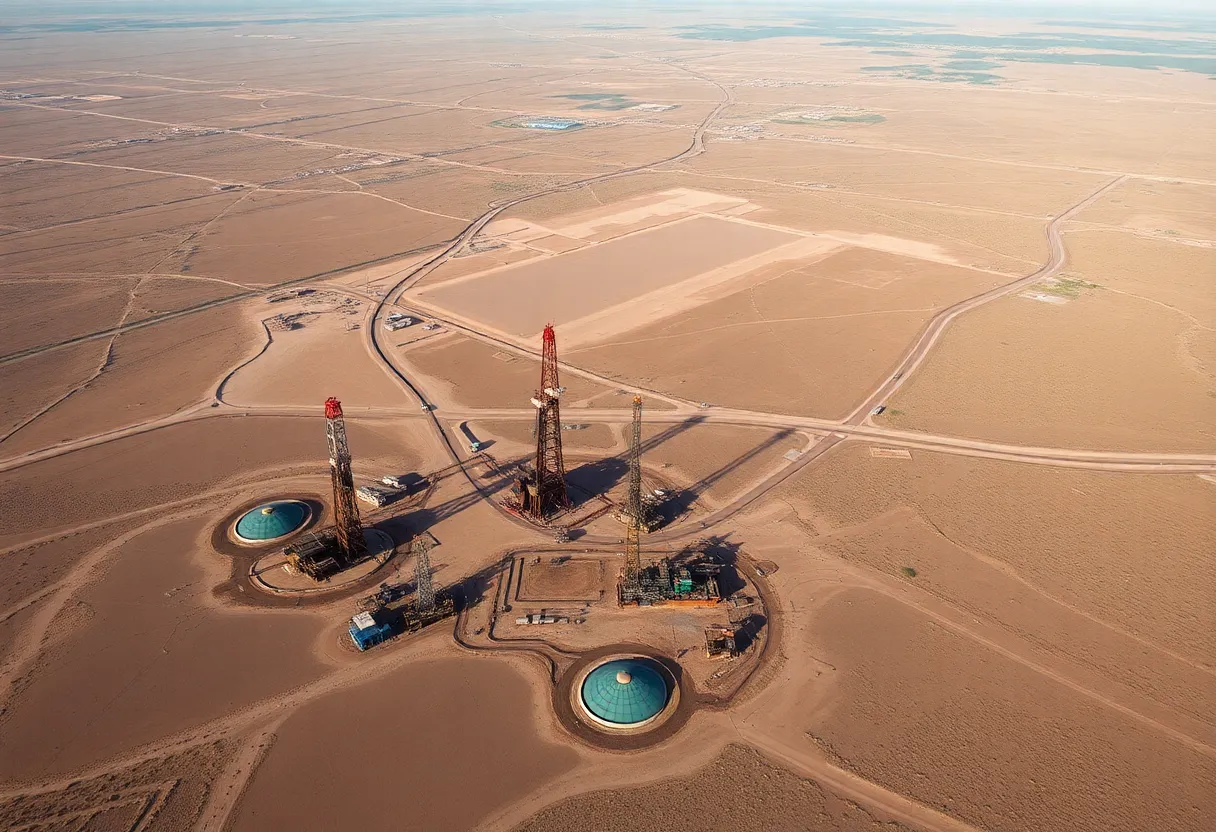
The lawsuit comes at a time of heightened environmental concerns regarding the disposal of toxic wastewater from oil drilling in the Permian Basin, a vast hydrocarbon-rich area spanning Texas and New Mexico. The knock-on effects of wastewater injection, including increased underground pressure, have been linked to geological issues such as earthquakes, raising alarm among local regulators and environmental groups.
Details of the Lawsuit
According to Stateline’s legal filing, the company’s reserves were adversely affected due to Devon and Aris allegedly flooding the area with excessive amounts of wastewater. Legal representatives for Aris have disputed these claims, asserting that any damage to Stateline’s production capabilities is unfounded. Devon and Aris also contend that the lawsuit is time-barred, citing a two-year statute of limitations that Stateline purportedly failed to comply with.
Implications and Regulations
The lawsuit underscores the urgency surrounding wastewater disposal practices in the Permian Basin, which produces more oil than both Iraq and Kuwait. This prolific output generates an alarming volume of toxic waste—approximately five barrels of wastewater for every barrel of crude oil produced. The challenge lies in disposing of this wastewater, as injecting it deep underground has led to increased geological pressure, resulting in a series of earthquakes across the region.
The situation has prompted regulators from the Railroad Commission of Texas to raise concerns about the implications of such waste disposal methods, which they assert could jeopardize mineral and freshwater resources. Stricter regulations are on the horizon, with limitations on water-pressure levels in disposal wells set to take effect next month. This initiative aims to tackle the issue of over-pressurization caused by excessive wastewater injection practices.
Wastewater Management Crisis
New Mexico’s implementation of stricter wastewater disposal regulations has exacerbated the situation in Texas, sending millions of barrels of toxic waste across the border daily. In prior instances, companies such as Coterra Energy were forced to halt oil production activities after fluids leaked into their wells, further illustrating the risks associated with inadequate waste management.
Additionally, concerns have been raised regarding the depths at which wastewater is injected. Stateline’s reserves are positioned below the target injection zone, exacerbating the potential for reservoir contamination. The Railroad Commission has acknowledged the severity of these practices, warning that future wastewater disposal applications may be scrutinized, particularly for companies like Chevron and bp that have received notifications about the pressure-related issues impacting their operations.
Shifting Strategies
In light of the ongoing challenges, oil producers have begun transitioning to injecting wastewater into shallower rock formations in an effort to mitigate the risk of triggering earthquakes that have been associated with deep-well disposal techniques. This shift underscores the complexities involved in managing toxic waste in the Permian Basin and the necessity of balancing production with environmental safeguards.
Conclusion
The legal dispute between Stateline Operating LLC, Devon Energy Corp., and Aris Water Solutions Inc. highlights a rare confrontation among shale operators over wastewater management practices in the Permian Basin. As this case unfolds, it exemplifies the intricate challenges facing the oil industry amid mounting environmental scrutiny and regulatory pressures.
Deeper Dive: News & Info About This Topic
- Bloomberg: Toxic Water Leaks in Texas
- Wikipedia: Fracking
- World Oil: Permian Basin Water Leaks
- Google Search: Permian Basin water issues
- Reuters: New Texas Wastewater Rules
- Google Scholar: Toxic water disposal Texas
- WSJ: Oil Patch Water Problem
- Encyclopedia Britannica: Oil Industry
- MRT: Permian Basin Disposal Rules
- Google News: Texas oil environmental regulations


Author: STAFF HERE COLLEGE WRITER
The COLLEGE STATION STAFF WRITER represents the experienced team at HERECollegeStation.com, your go-to source for actionable local news and information in College Station, Brazos County, and beyond. Specializing in "news you can use," we cover essential topics like product reviews for personal and business needs, local business directories, politics, real estate trends, neighborhood insights, and state news affecting the area—with deep expertise drawn from years of dedicated reporting and strong community input, including local press releases and business updates. We deliver top reporting on high-value events such as the Brazos Valley Fair & Rodeo, Chilifest, and Aggie Muster. Our coverage extends to key organizations like the Bryan-College Station Chamber of Commerce and United Way of the Brazos Valley, plus leading businesses in education, biotechnology, and retail that power the local economy such as Texas A&M University, Fujifilm Diosynth Biotechnologies, and H-E-B. As part of the broader HERE network, including HEREAustinTX.com, HEREDallas.com, HEREHouston.com, and HERESanAntonio.com, we provide comprehensive, credible insights into Texas's dynamic landscape.